Schwerin, Germany · UNESCO World Heritage · The "Neuschwanstein of the North"
The fairytale castle on an island in Lake Schwerin. Museum tickets €13, free under 18, plus the best guided tours of the castle and the old town.
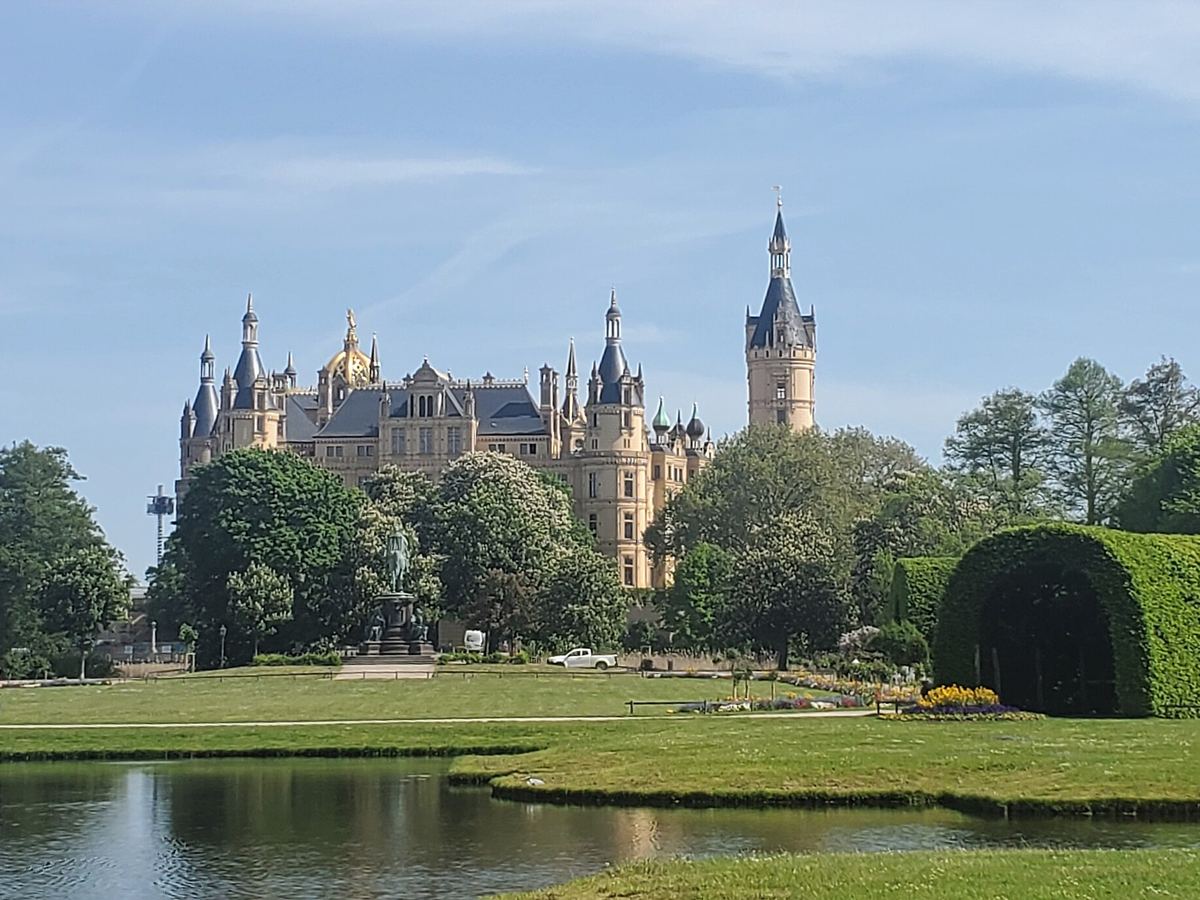
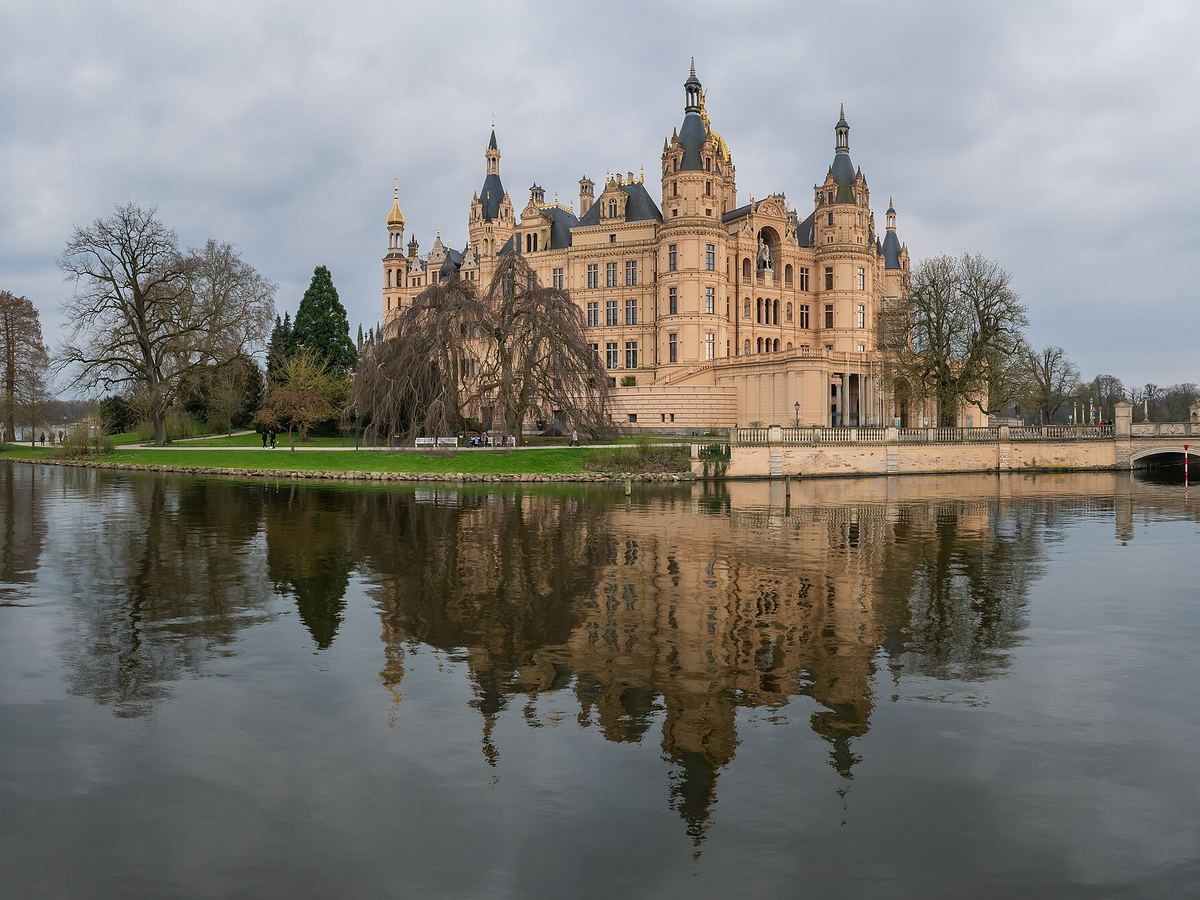
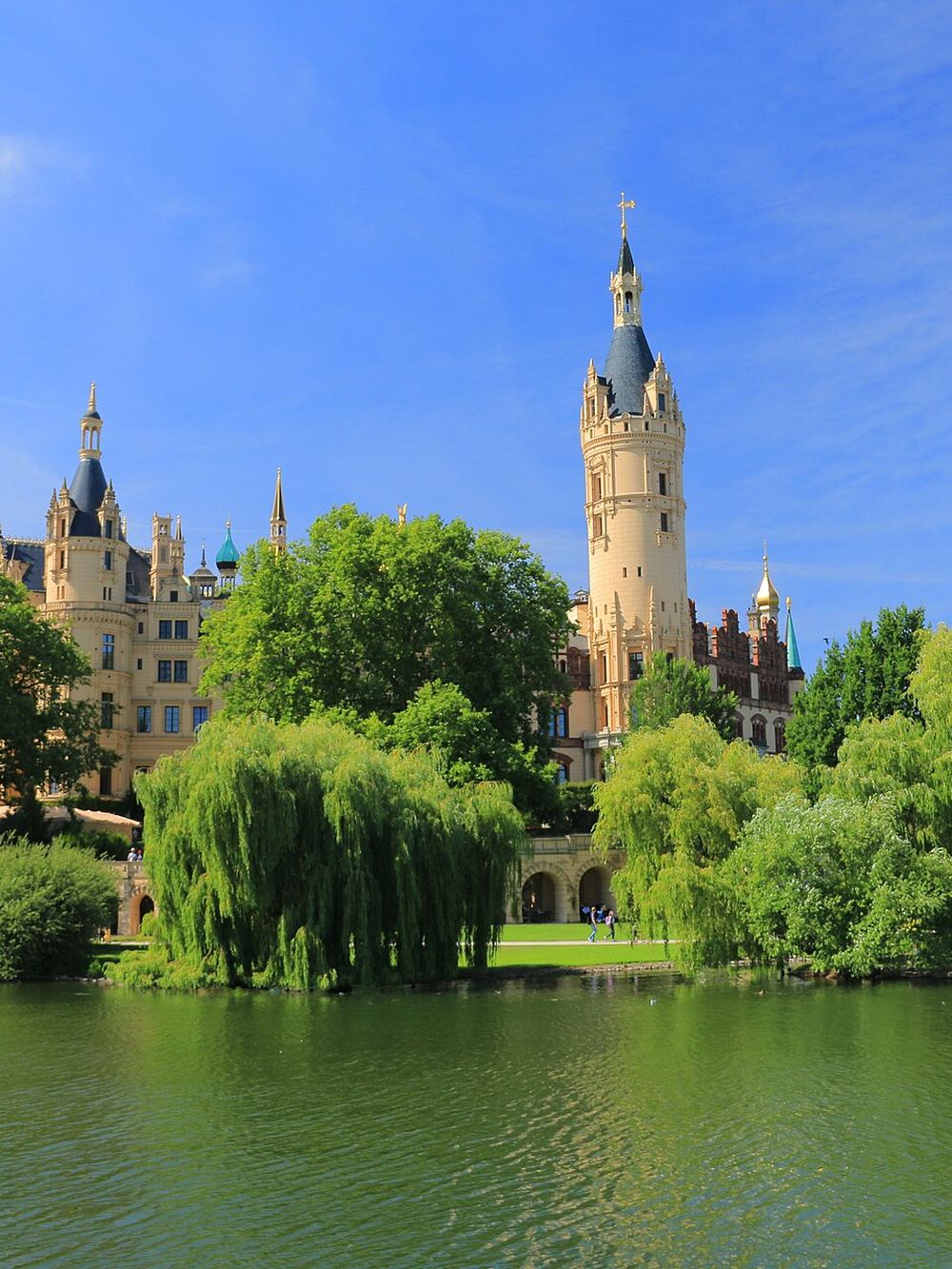
Schwerin Palace (Schweriner Schloss) stands on an island where Lake Schwerin meets the town. For centuries it was the seat of the Dukes and later Grand Dukes of Mecklenburg, and its present romantic form, with towers, turrets and a gilded dome, dates from a great rebuilding in 1845–1857.
Today the castle has two lives. Part of it is the seat of the Landtag, the parliament of Mecklenburg-Vorpommern; the rest is a museum of the grand-ducal state rooms, with the throne room and the ancestors' gallery.
Since 2024, it has been at the heart of a UNESCO World Heritage Site. This guide covers tickets, opening hours, tours and how to plan your visit.
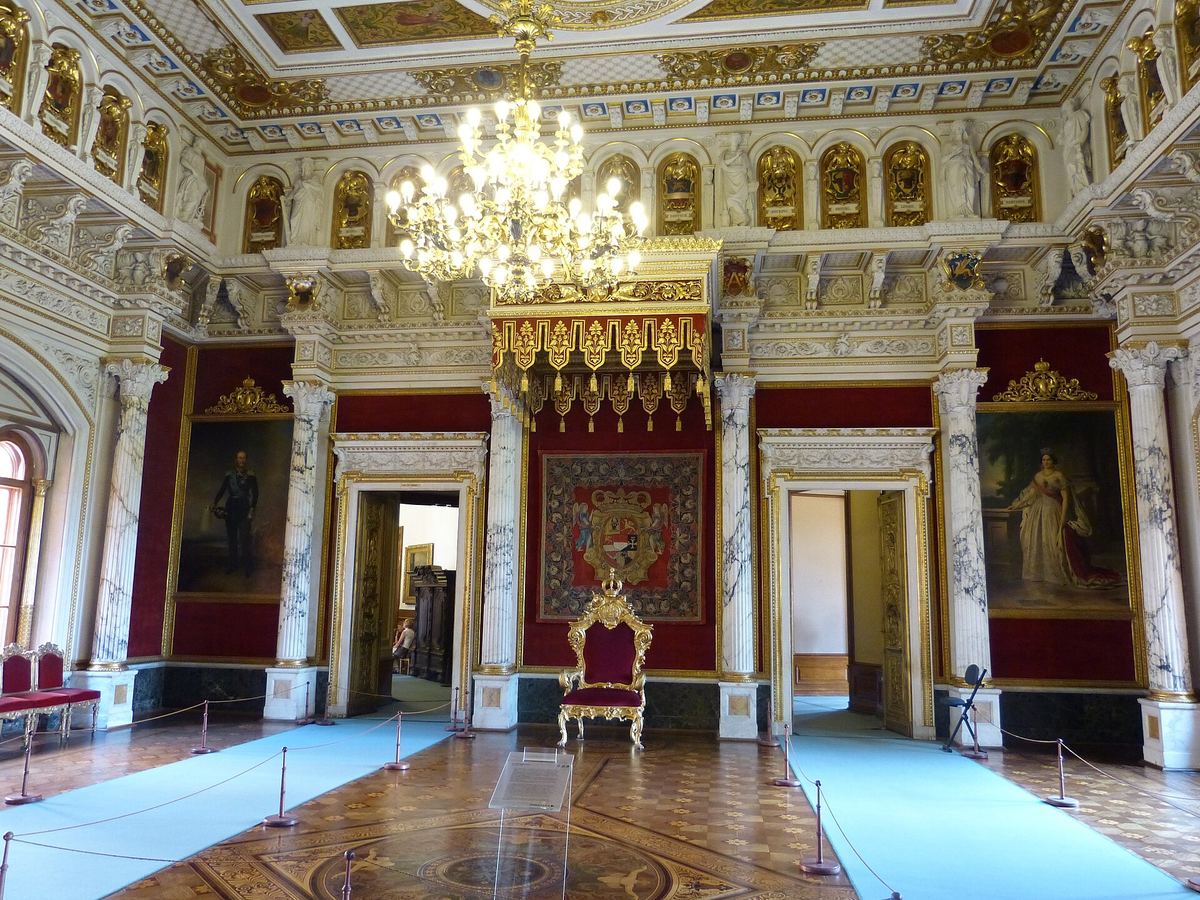
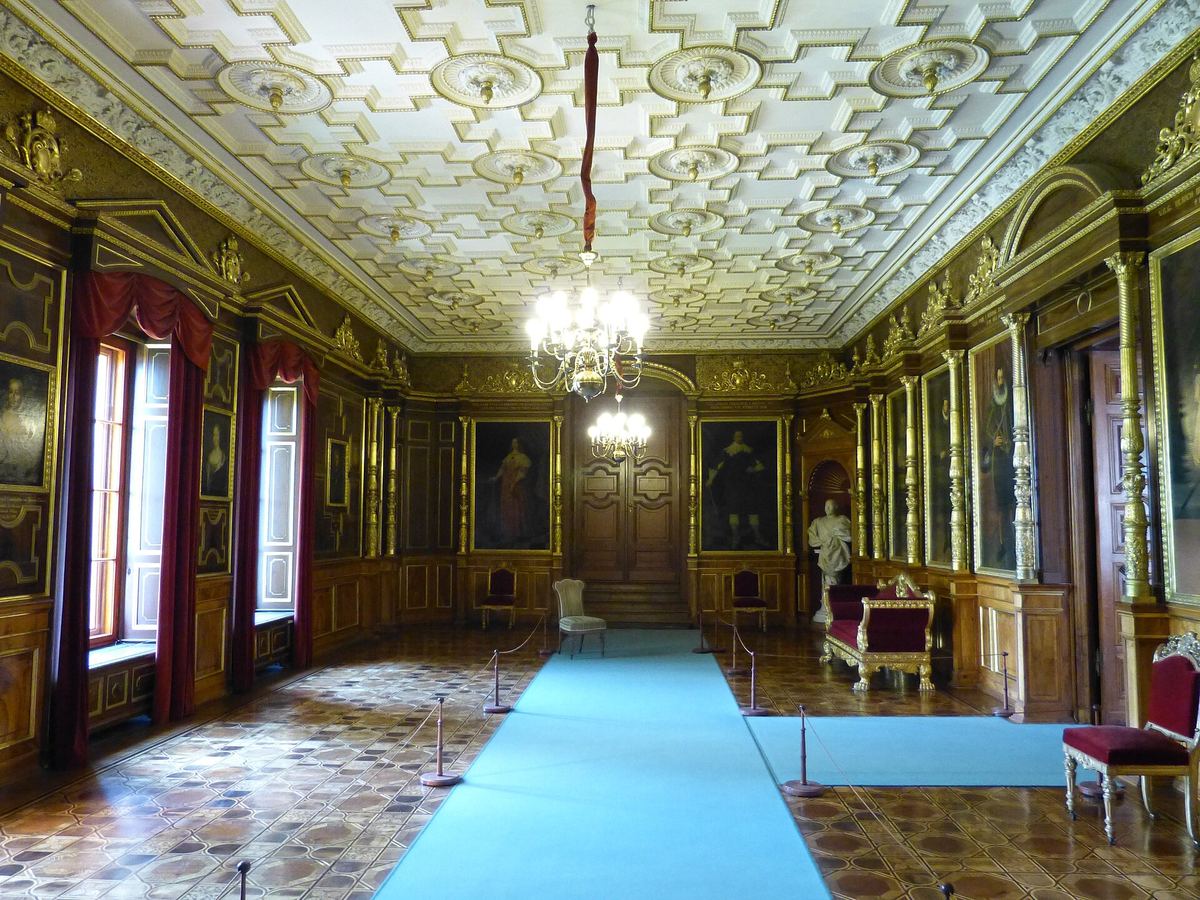
The showpiece of the castle: a room of marble columns, gilded coffers and chandeliers, with the grand duke's throne beneath a canopy.
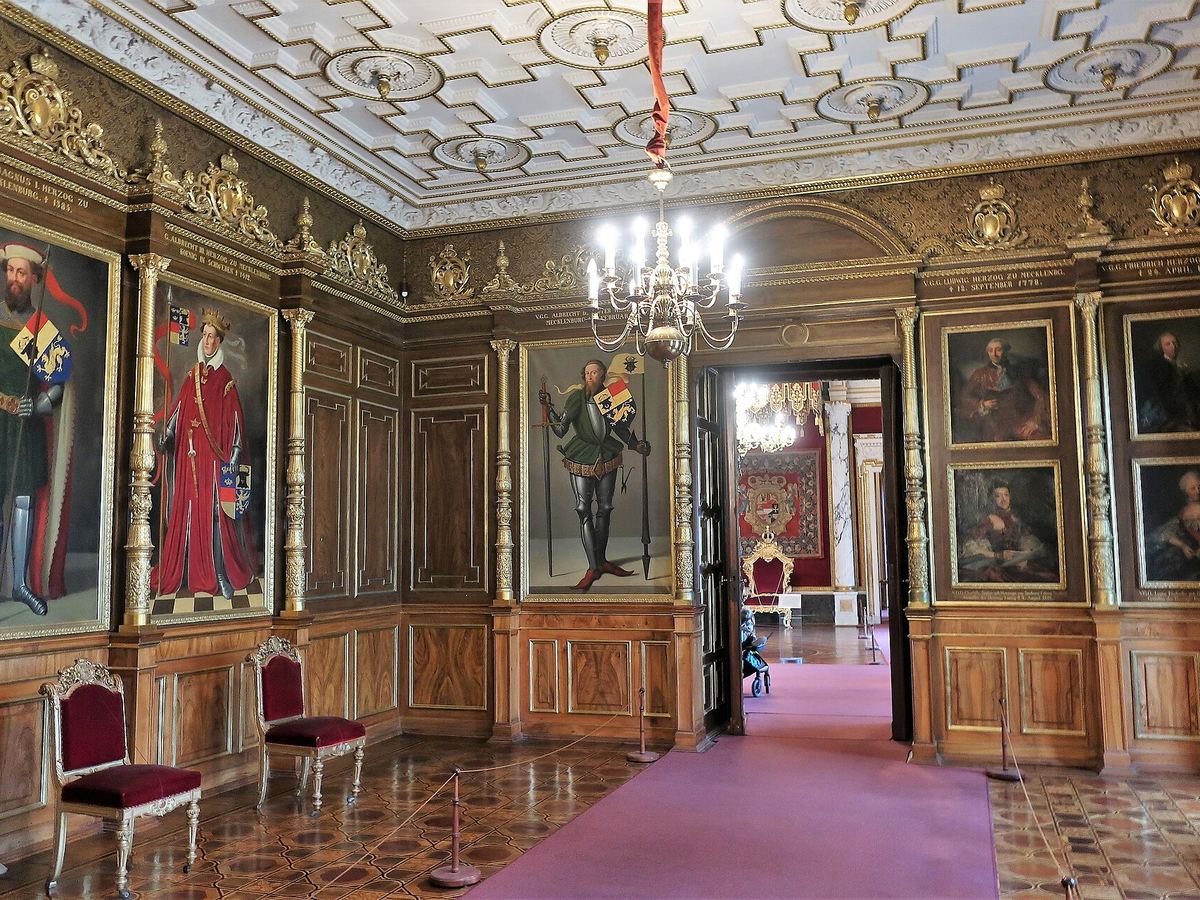
Portraits of the dukes of Mecklenburg line the panelled walls under a white stucco ceiling, a family tree in oil paint running back centuries.
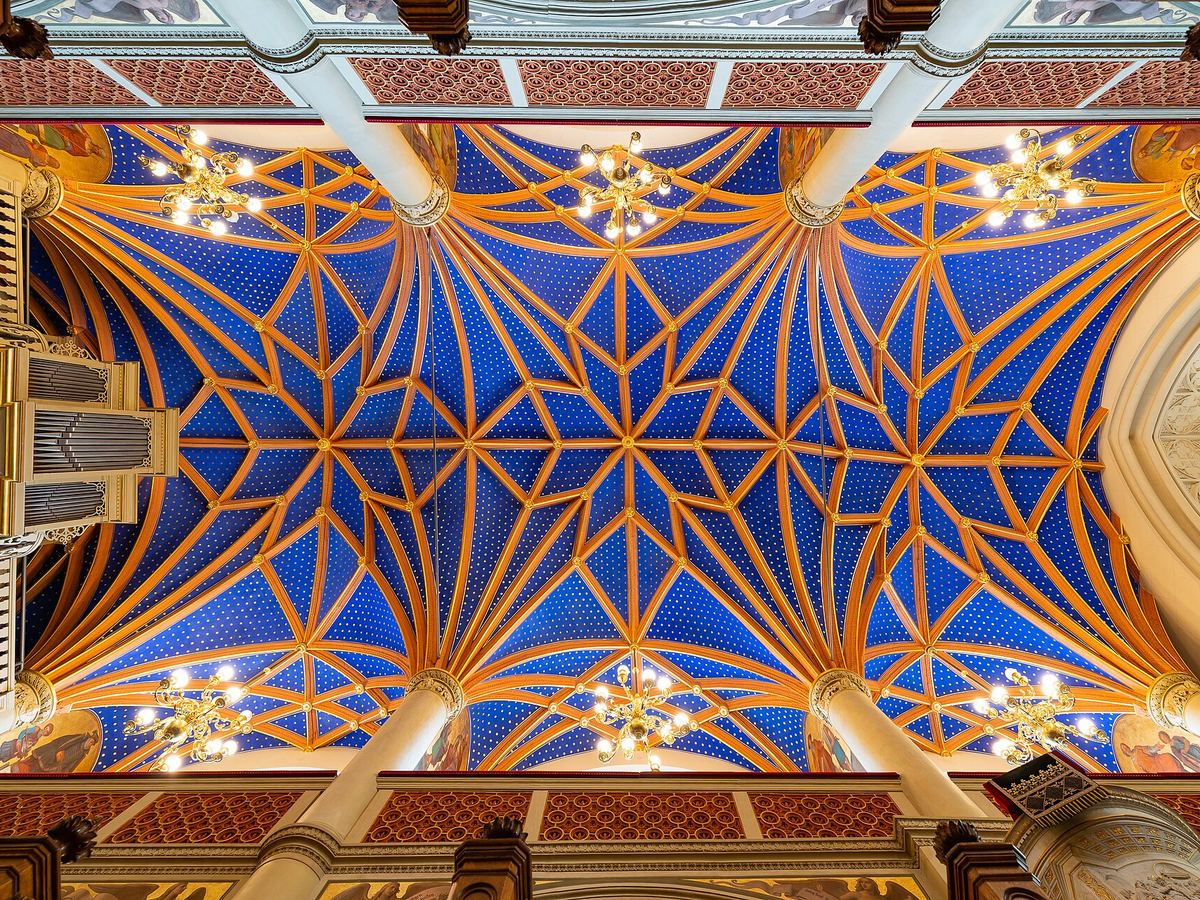
Rebuilt in 1560–1563 as the first new Protestant church in the state, under a blue and gold vault. Tours are possible when no service or event is under way.
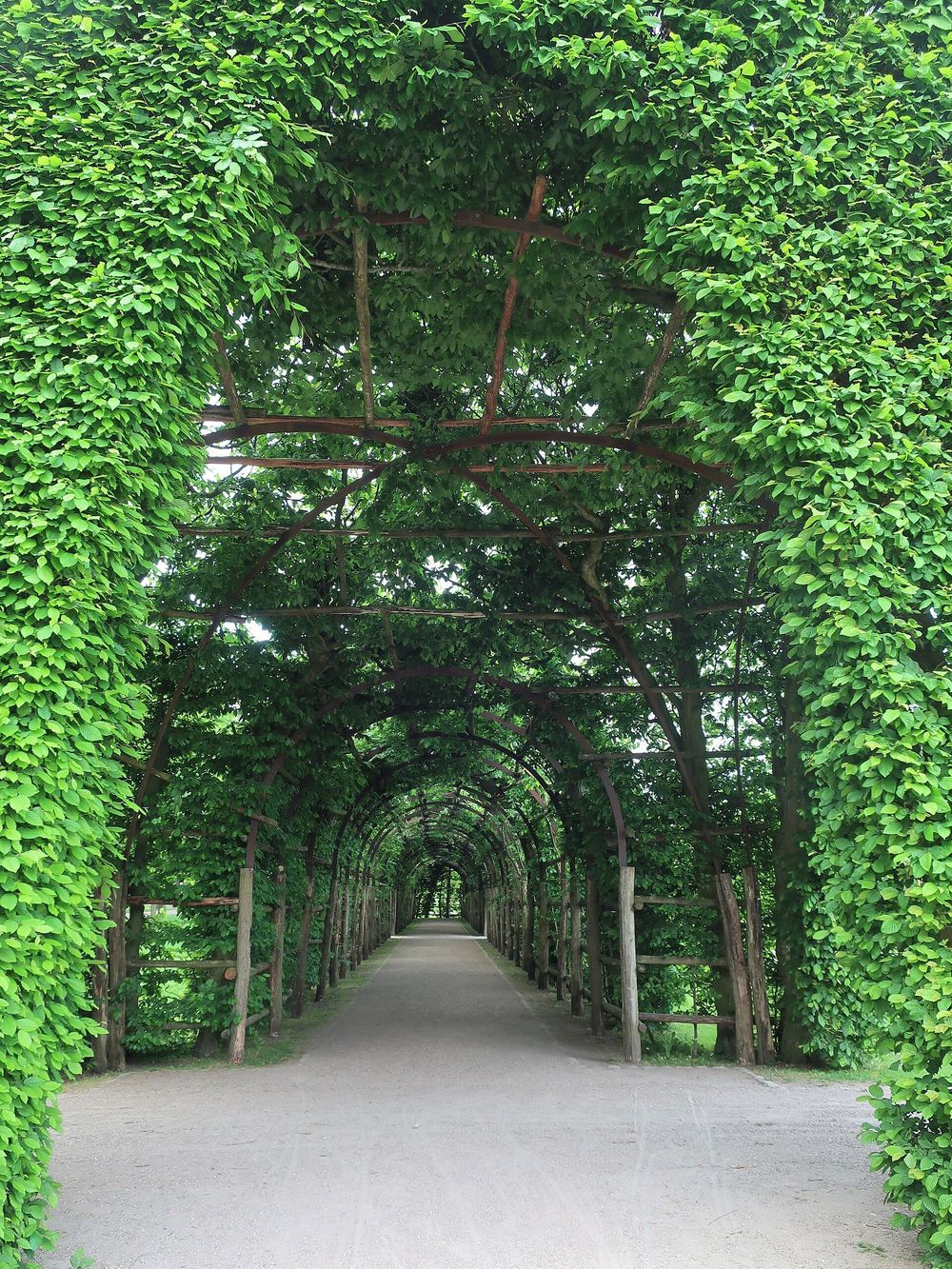
The baroque palace garden, open all year, and the terraced Burggarten on the island itself, with an orangery café in summer and views over Lake Schwerin.
Museum tickets are sold at the castle. Online, you can book a private museum tour with entry included, walking tours of the castle and old town, and a self-guided audio walk.
Prices shown in USD. Free cancellation up to 24 hours before. Powered by GetYourGuide.
| What You Get | On Your Own€13 at the castle | Private Museum TourFrom $200 / group | Private Walking Tour Top RatedFrom $267 / group |
|---|---|---|---|
| Castle museum entry | ✓ €13 | ✓ Included | — Exterior & old town |
| Guide | Free audio guide | ✓ Private guide | ✓ Private guide |
| Old town & cathedral | — | — | ✓ |
| Group size | — | Your group only | Your group, up to 15 |
| Duration | 1.5–2 hours | About 1 hour | 1.5 hours |
| Booking | At the castle | Viator | GetYourGuide · free cancellation |
| Best for | Independent visitors happy with the audio guide | A guide inside the state rooms, tickets sorted | Families and groups who want the castle and the town |
| Ready to book? | Prices & Hours | Book Museum Tour | Book Walking Tour |
A legend, a cathedral, a great art museum and a lake, all within a short walk.
Castle legend
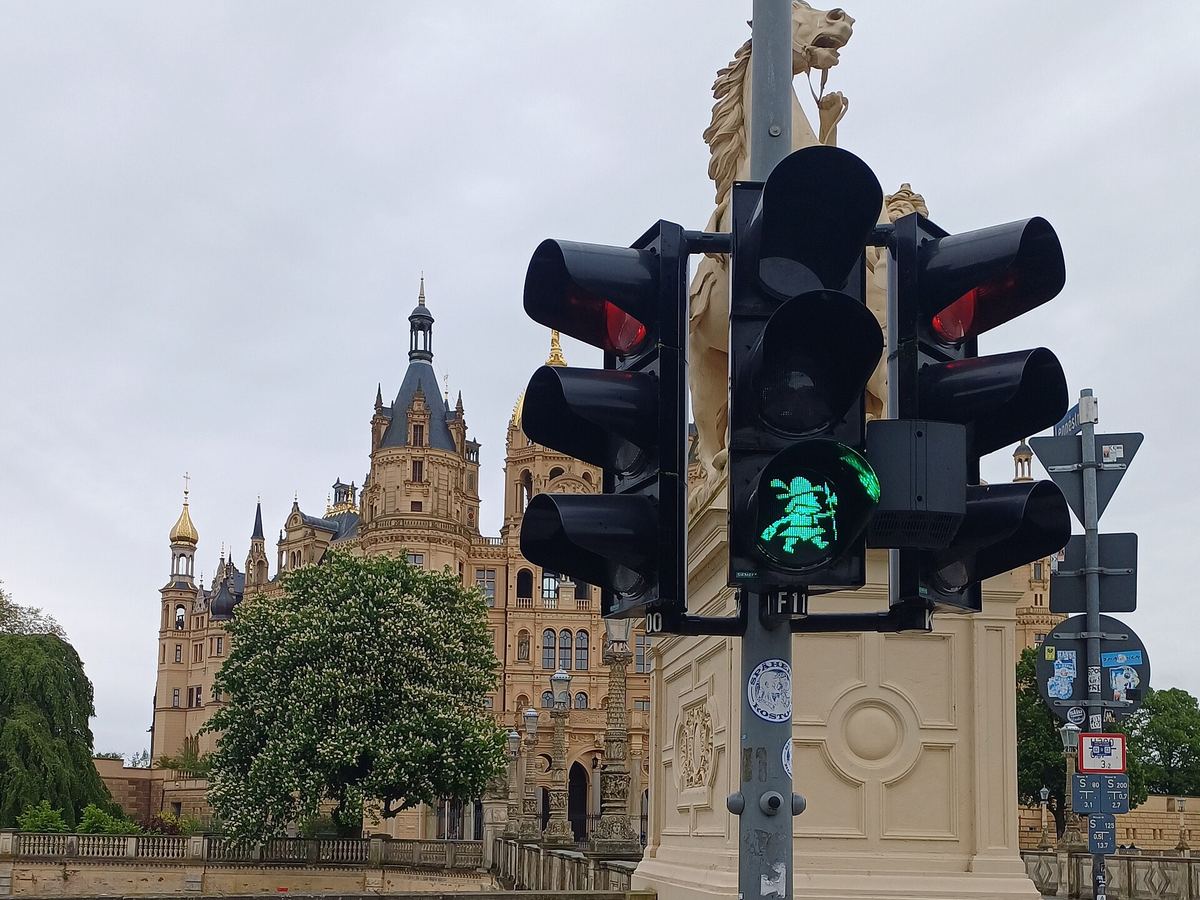
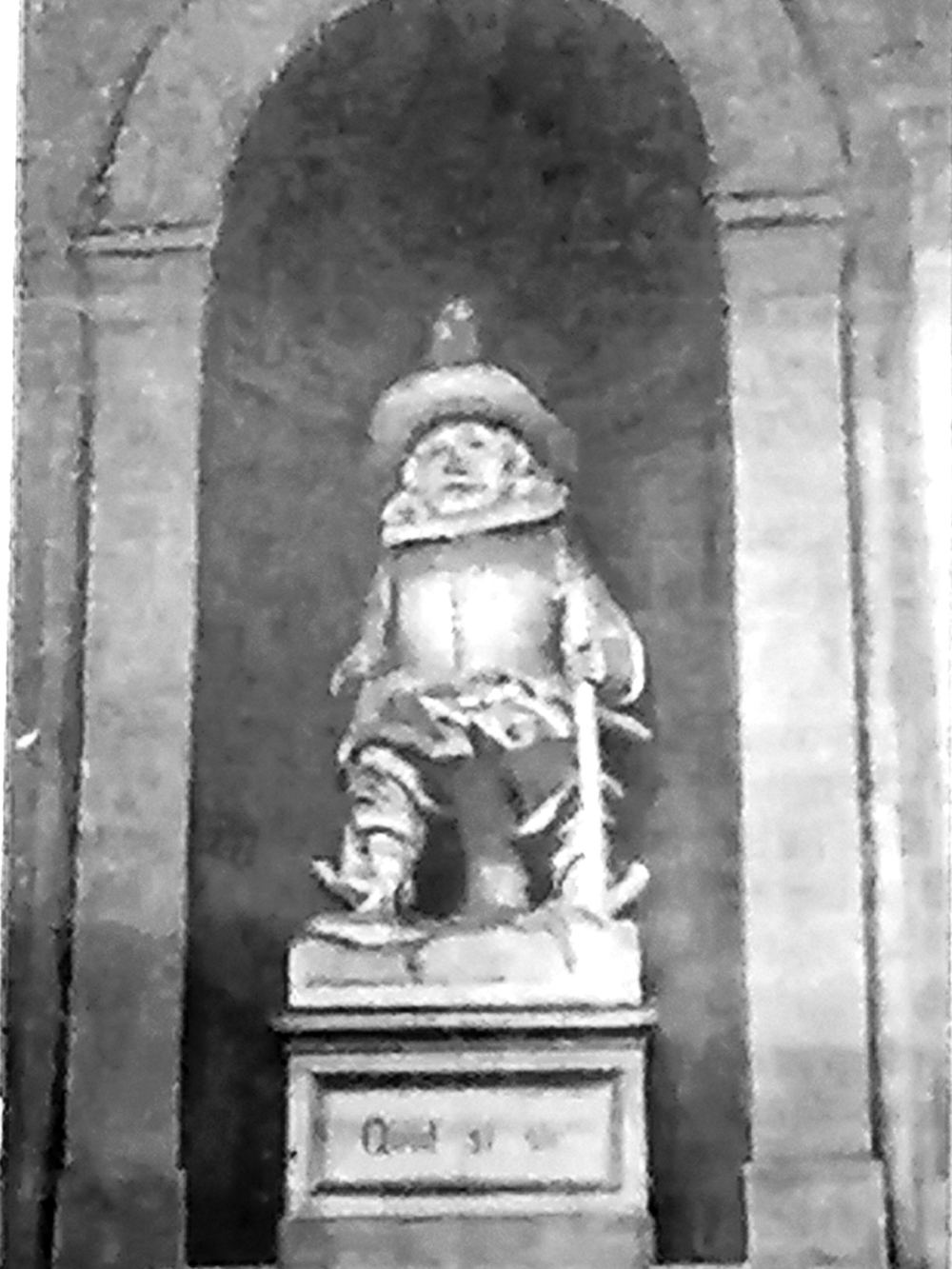
Schwerin's house spirit, said to guard the castle at night. His statue by Heinrich Petters dates from 1856; look for him on the city's traffic lights too.
Old town
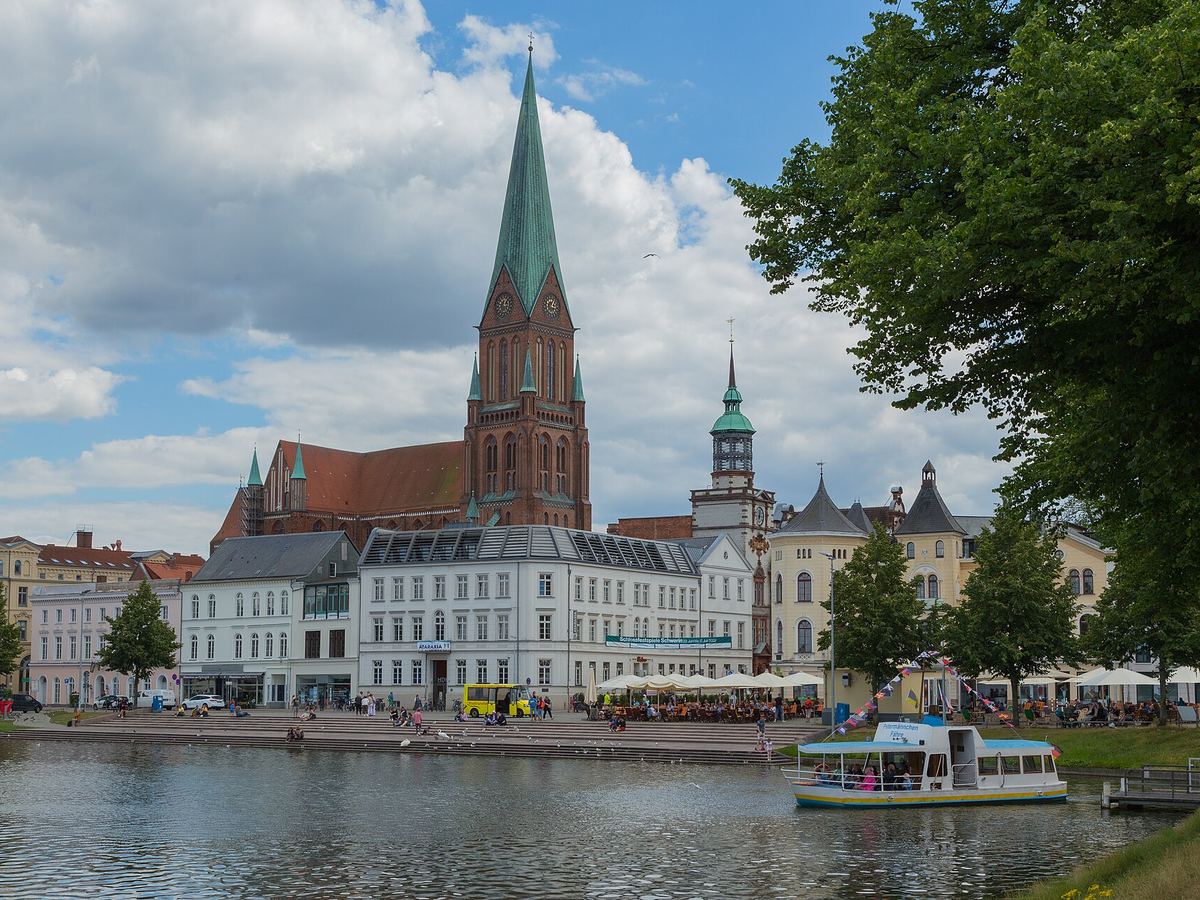
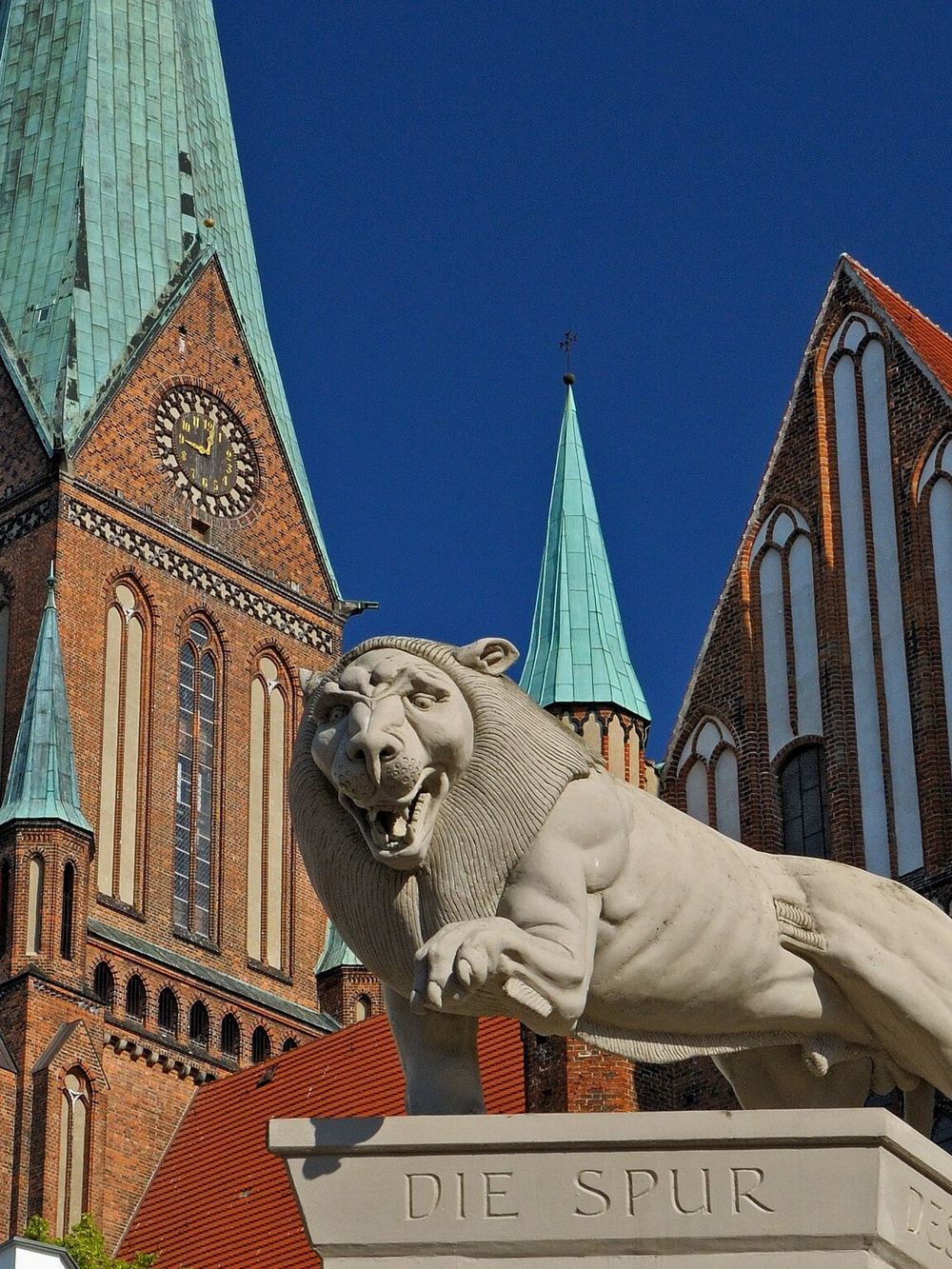
The brick Gothic cathedral, with the lion monument to Henry the Lion, founder of the city, in front. A short walk from the castle.
Alter Garten
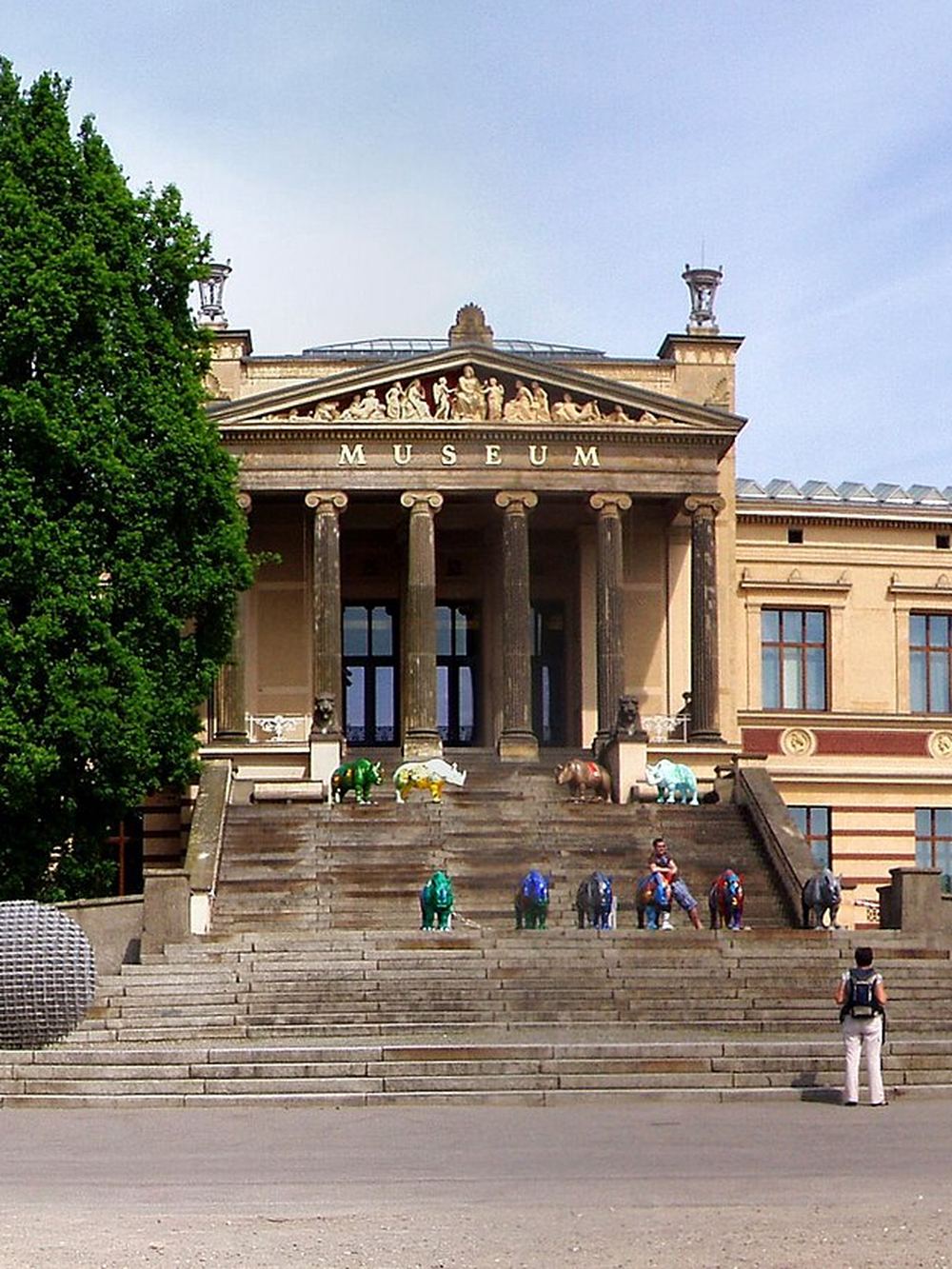
Across the square from the castle bridge, with a renowned collection of Dutch and Flemish paintings. Part of the World Heritage ensemble.
Lake Schwerin
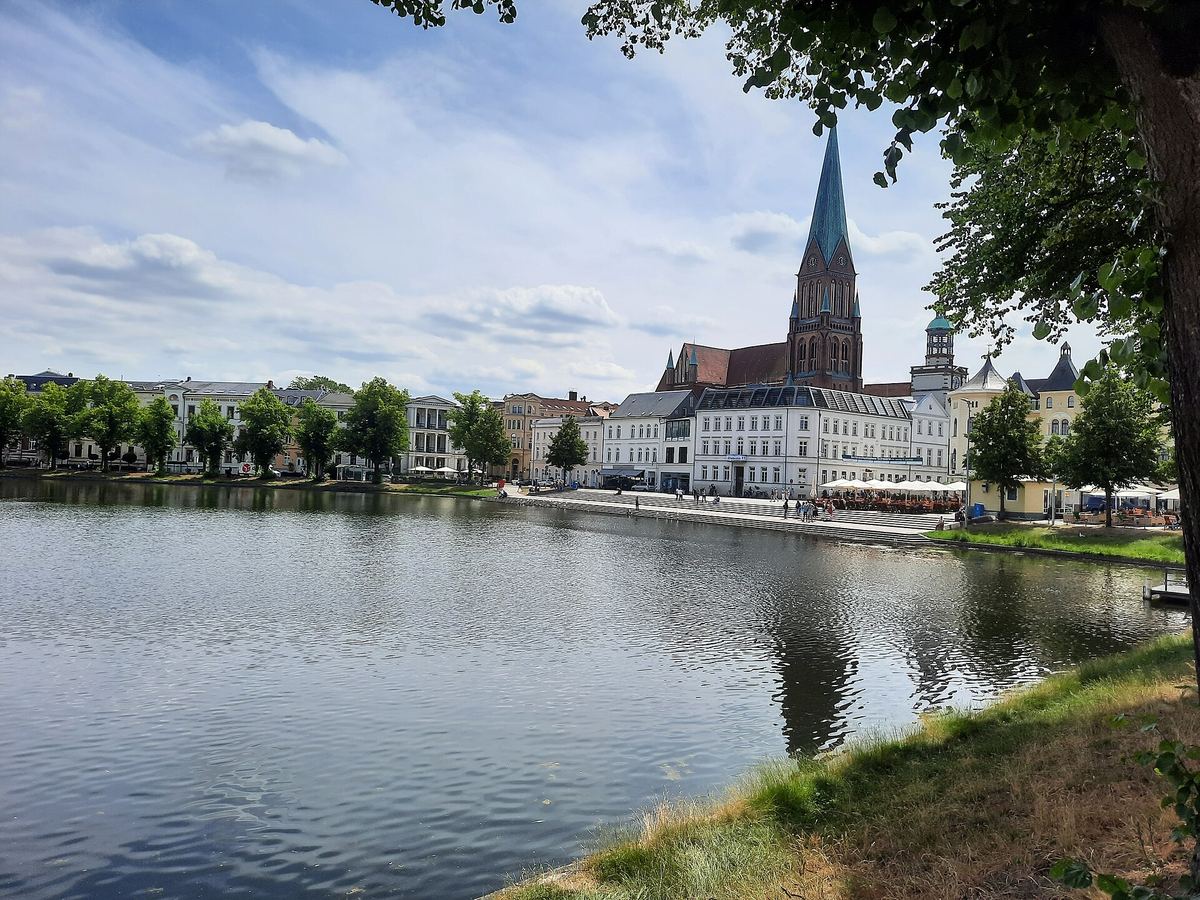
The castle sits on an island in Lake Schwerin, one of Germany's largest lakes. Boat trips in summer give the classic view.
The castle museum is closed every Monday. The gardens stay open, so a Monday visit can still include a walk around the island.
The audio guide is free with your ticket. Pick it up at the entrance on the garden side, near the swing bridge.
Coach groups and cruise excursions arrive mid-morning. Come at 10:00 for a quieter throne room.
The museum entrance is on the park side (Gartenportal): from the town bridge, turn right at the main portal and walk about 70 metres around the castle.
Children and teenagers under 18 enter free, which makes the castle an easy family visit.
From 15 October to 14 April the museum closes at 17:00. Last entry is 30 minutes before closing.
A thousand years of history on one island, from Slavic fort to fairytale palace and parliament.
People have built on this island in Lake Schwerin for more than a thousand years. The first record, from 973, describes a fort of the Slavic Obotrites.
In 1160 the Obotrite prince Niklot burned it rather than surrender to Henry the Lion; the Germans built a new fort, and the city of Schwerin was founded the same year.
Niklot's descendants, made Dukes of Mecklenburg in 1348, moved their seat to Schwerin ten years later. They ruled from here, with interruptions, until 1918.
Their portraits now line the Ancestors' Gallery.
Under Duke John Albert I in the 16th century, the fort became a palace, decorated with terracotta from Lübeck. He also rebuilt the castle church in 1560–1563, the first new Protestant church in the state.
In 1837 the court returned to Schwerin from Ludwigslust. Grand Duke Friedrich Franz II wanted a residence to match his ambitions, and between 1845 and 1857 the castle was rebuilt on the model of the Loire châteaux, especially Chambord.
Four architects shaped it: Georg Adolph Demmler, Gottfried Semper, Friedrich August Stüler and Ernst Friedrich Zwirner.
In December 1913 a fire destroyed about a third of the castle. Five years later, the revolution of 1918 forced the last grand duke to abdicate, and the castle passed to the state.
In the 20th century the castle was a museum, briefly the seat of the state parliament after 1948, and from 1952 to 1981 a college for kindergarten teachers under the GDR.
In 1990 the Landtag of the new state of Mecklenburg-Vorpommern moved back in, and it still meets here today.
Every castle needs a ghost. Schwerin's is the Petermännchen, a small house spirit who is said to guard the castle and its treasures.
His statue by Heinrich Petters dates from 1856.
In 2024 UNESCO inscribed the Schwerin Residence Ensemble on the World Heritage List: the castle, its gardens and the buildings of the 19th-century residence city around it.
Most of the castle's long restoration was finished by 2019.
Circle the island before going in: the views from the Burggarten and across the lake explain the castle better than any room.
On selected evenings, a 'Wandelkonzert' leads you through the castle with live music, for €54.90. Remaining 2026 dates: 29 October, 21 November, 5 and 15 December.
The Orangerie café is open April to October; in winter, the Schlosscafé takes over.
Trains reach Schwerin in about an hour. Walk through the old town to the castle and back, and you've seen the best of the city.
Tour the castle with a private guide, or explore the town with a top-rated local guide. Free cancellation on most tours.